Mural Painting with Alice Lee
Published March 25, 2025


Published March 25, 2025
Mural artist Alice Lee is known for her vibrant, joyful work that brings color to public spaces and life to her community. But behind the pastel colors and playful illustrations is a thoughtful creative journey—from a product designer at Dropbox to a full-time artist exploring murals, ceramics, and self-initiated projects that have defined her career. In this conversation, Alice opens up about how a difficult breakup unexpectedly reshaped her relationship with her art, why she believes you don’t need to be a tortured artist to create meaningful work, and how routine, community, and movement play into her creative flow. We also dive into the role of side projects, her decision to leave tech, the realities of burnout, and the kind of feedback that actually helps artists grow. Plus, Alice shares her evolving thoughts on social media, the complicated ethics of AI in the art world, and what she hopes people take away from the work she puts into the world. It’s an honest, deeply human conversation with one of the Bay Area’s most thoughtful creatives.

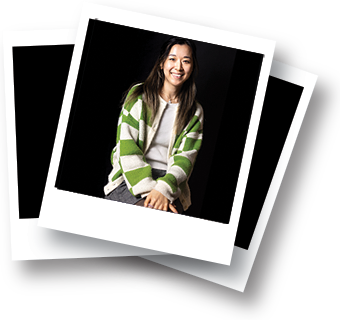
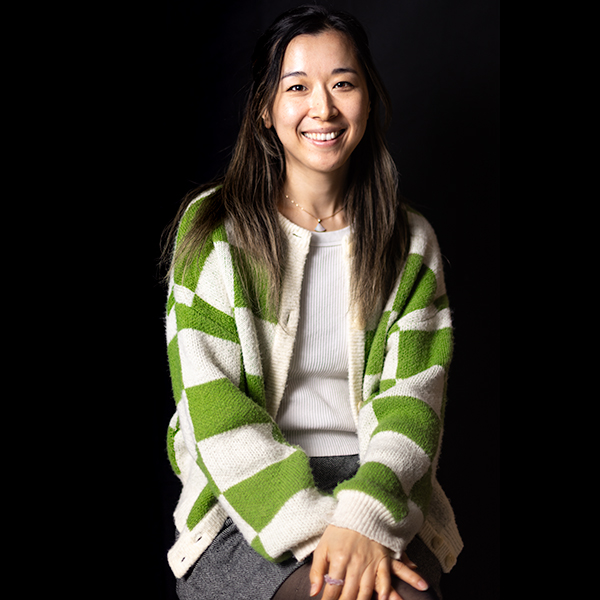
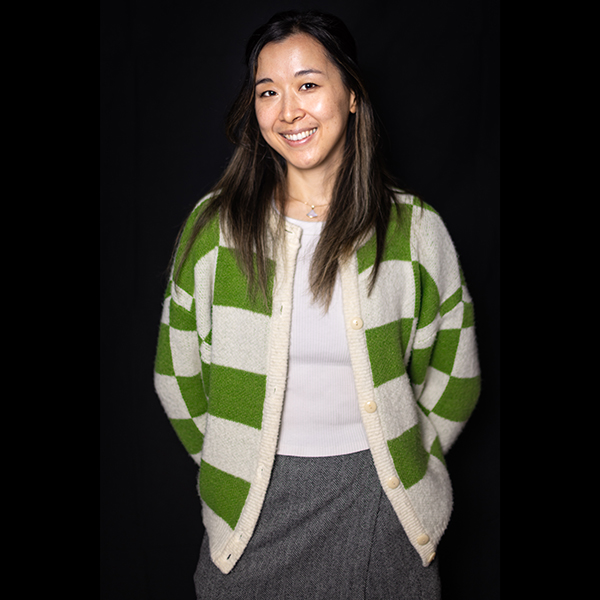
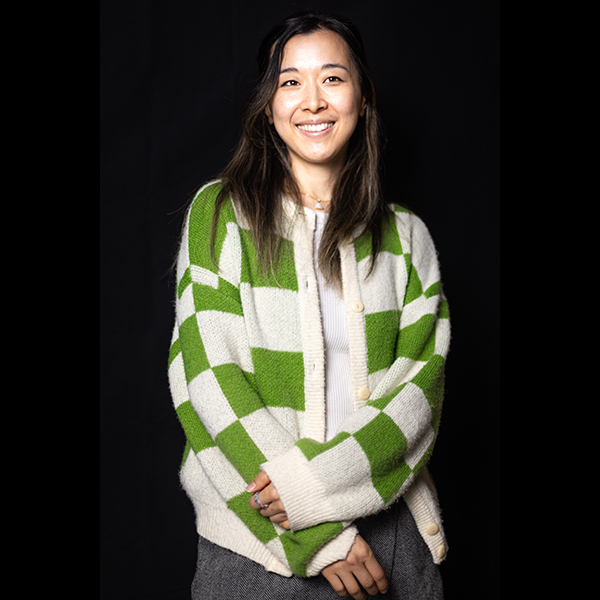
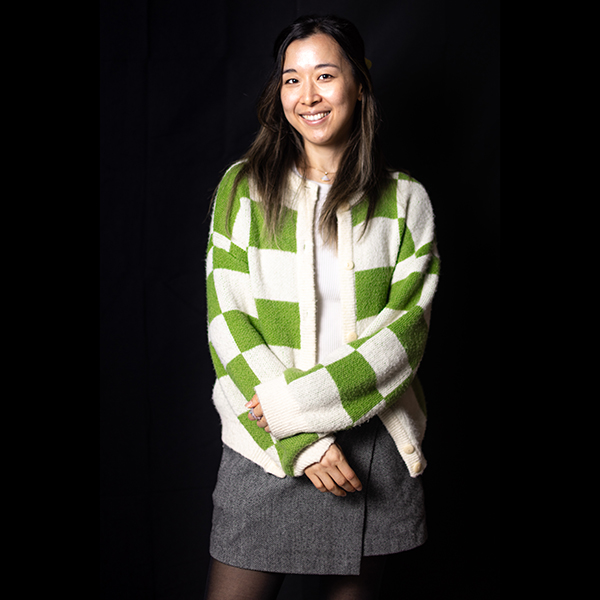
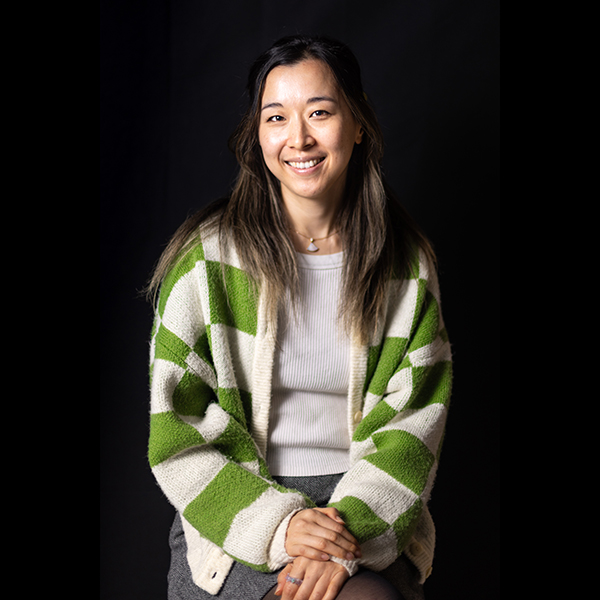
Alice Lee is an independent illustrator, muralist, and ceramicist based in San Francisco, creating vibrant, joyful work with heart, purpose, and originality. Her art lives in many forms—from large-scale public murals to playful ceramics inspired by her childhood growing up as an Asian-American in the Bay Area. Alice’s creative path has included hosting Doodle Therapy, a drawing show for Adobe Live, and crafting a series of dimensional woodcut mural installations that blend color, storytelling, and texture. Her murals can be found throughout San Francisco, created in collaboration with organizations like National Geographic, the Asian Art Museum, Philz Coffee, Slack, and SJ Walls. Before pursuing art full-time, Alice was an early product designer and the second illustrator at Dropbox. She holds a degree from the Wharton School at the University of Pennsylvania. Through all of her work, Alice aims to make the world a little brighter—and a little more human—one project at a time.

Ryan Burgess is the host of Portraits of an Artist, a podcast exploring creativity and the stories behind artistic work.
00;00;07;03 - 00;00;34;16
I felt really self-conscious that people would see me like an idiot for leaving this like on paper, a great job, you know? To do what? I don't even know.
00;00;34;19 - 00;00;54;18
There are some artists work you recognize instantly. Something about their colors, their shapes, or just the way their art makes you feel. Alice Lee is one of those artists. Her work, whether it's an illustration, a mural, or even a ceramic piece, carries this bright, an almost dreamlike quality. It's playful, it's soft and it's bold all at the same time.
00;00;54;22 - 00;01;17;18
And what's even more fascinating is how much she creates across different mediums, across different platforms she keeps making. So that's exactly what I wanted to talk to her about, is how does she do it? How does she balance so many creative projects? And in a time when social media and I are constantly shifting the way artists share and connect their work, how does she navigate it all?
00;01;17;19 - 00;01;40;18
In this episode, I'll be talking with Alice Lee, a San Francisco based artist who focuses her work around illustrations, murals and ceramics. I'm excited to learn more from her, so let's just dive into the conversation. We'd love to start off, Alice, of what inspires you lately? What is keeping you inspired to do such amazing work? Oh wow, that's such a great question!
00;01;40;18 - 00;02;00;06
What is inspiring me lately? I think what it is lately is that I've. I've just been pretty happy lately. I was really sad last year. I went through a pretty difficult breakup. I was very sad and I think when when you're when you're in it, you don't realize, like, how much of a tax it is on your brain.
00;02;00;09 - 00;02;19;11
And now, these days, I'm feeling really good about my life and my art, and I think that has a lot to do with, like my community, my friends, like the routine that I've built for myself. And it's like once you stop being sad, like once you emerge from it, you realize like the the delta between like where you were and where you are.
00;02;19;12 - 00;02;38;11
And I honestly think that's what's been driving me. That's amazing. And did you find like because some people like, especially artists would be like, you got to be like a tortured artist, right? And that, that like, helps people create. But you're you're saying the opposite, which I actually like that even more. And even seeing your work, I'm like, yeah, it's it's sparks happiness and joy.
00;02;38;21 - 00;03;04;25
When you see it, the colors like everything about it. So I'm curious too is like, did you find, like it was hard to create art when you were, like, not happy? I found that it was harder to self-initiated projects like create Art for myself, which is a big part of what I do. Yeah. So I could, like I was able to meet my deadlines, and actually it was pretty helpful to have client like deadlines to kind of keep me in a routine.
00;03;05;11 - 00;03;21;23
But it was pretty like rough. I also like, ironically, like as I was going through all that last year, I also was in like one of the busiest seasons of my work with like back to that. Like literally like four in a row mural, four murals in a row over the course of like 3 or 4 months.
00;03;22;00 - 00;03;51;03
So it was it was pretty brutal, actually. And I found myself listening to the Taylor Swift album, which one tortured poet. It's such a good one. Yeah, yeah. And I, I don't think it's a very sustainable long term path because it's very depressing. It's it's depressing. I, I don't, I don't think I would really like it to long term use my pain and the like, you know, inner like suffering and like rage as a fuel for my work.
00;03;51;03 - 00;04;08;12
But I think it definitely works in the short term. Oh, I could see that too. And like, maybe it also worked in like just an escape too, or. Yeah. Oh man, I don't want to deal with this relationship stuff or all those things are kind of bringing me down. Yeah, but it's like, well, I'm just going to put my effort of happiness and joy into this and and keep going.
00;04;08;15 - 00;04;30;04
Yeah. I think that mural painting actually super therapeutic because it's, it's you're you're on your feet for like eight hours a day. You're painting with your whole body. And I think that for me, like a lot of times when like, talk therapy doesn't work, it's just because I have like these emotions in my body and I just need to like, move, move through them by just incorporating movement in my day.
00;04;30;05 - 00;04;50;10
So mural painting was actually pretty good for that. I like that too. And do you find, because it's also like you have a lot of time to think you're you're by yourself just painting. And, you know, even if you have people helping, it's like you're in it, right? Yeah. Dedicated to that. Do you find like yourself thinking a lot or is it kind of the opposite where you just, like, tune things out and you're just in the zone?
00;04;50;11 - 00;05;07;22
I think I think was a bit of both on all of my murals. I actually had hired an assistant, so I just yelped their brain like got their ears off, which which was very funny. But yeah, it's a mix of both, a lot of introspection, but just also interacting with like the community, which is, which is helpful.
00;05;07;28 - 00;05;26;08
Right? Because do they come and stop you on the street and like, yeah, pick what you're painting. Yeah, yeah. People do that a lot. And I think some muralists don't like it, but I really like it. I, I could see not liking it at times. You because it, it does interrupt you. But I think when you're building something in a neighborhood and like you are trying to interact with that neighborhood by.
00;05;26;10 - 00;05;40;22
Yeah, it kind of makes a lot of sense. Yeah, yeah, yeah, I love it. I love if I'm in the middle of doing something hard, I'll just be like, I'm doing something hard. Yeah. Like, come back in like 20 minutes. I like that too. I like, well, I mean, you don't just set about set a little boundary. Yeah, exactly.
00;05;40;22 - 00;05;57;23
You have to still set those boundaries. I think one of your first murals, I definitely the first one I saw was in that shared space. Oh, that was my first one. That was your first one. I love that one. Is still room like remember the colors and everything like that. And I believe it had like a woman blowing like flowers.
00;05;57;23 - 00;06;16;14
Yeah, yeah. There's like koi fish swimming around was. Yes. Yeah. That was my first mural was amazing. The amazing first mural. Oh thank you. Yeah, I had been thinking about painting that wall for a long time. It was in our studio. Yeah, in our office. And I actually, I've been thinking about painting it for, like, two years, you know, but never got around to it.
00;06;16;21 - 00;06;34;06
And then it almost like my one of my studio mates who's the master tenant, he had to leave because of a health issue suddenly. And none of us really wanted to be the master tenant. So I was like, crap. Like, I'm not going to be able to paint this wall anymore. So let me just like, paint it really quick, you know?
00;06;34;06 - 00;06;55;25
Because otherwise, where am I going to have a such a, you know, beautiful empty wall. And so I did that. And then actually my other studio mate stepped up to the master tenant. So we got to enjoy the finished mural for a few years after that. But incidentally, that mural led to this whole like, career in doing installations, which is which is maybe like a plug for the benefits of doing side projects.
00;06;55;27 - 00;07;12;12
Right? Because you just tried something new. I love that it was like probably bothering you, like this plain white wall and you're like, this could be so much better. Yeah, I think I, I feel this way about a lot of my side projects, like murals and then ceramics, and I don't know if you feel the same way too, but I had like an inkling about that.
00;07;12;12 - 00;07;34;14
I would like those activities before I did them, but I held off because I didn't have the space in my life to become obsessed with something. It's tough, right? Like it's like you kind of like, I wish I could do that. And you think you do think about it a lot. I definitely have run through that where it's like, and you kind of keep putting off until it kind of keeps screaming at you louder and louder and you're like, okay, I should probably go try.
00;07;34;14 - 00;07;51;02
And. Yeah. And actually, ceramics is an interesting one I wanted to even ask you about because, like, you've gone from being like an illustrator then like even how that mural, like, started one mural that you just did kind of as a like side thing and then now you're doing more murals. But how did the ceramics come into play?
00;07;51;03 - 00;08;10;21
Oh, yeah. So ceramics was a pandemic time hobby. But yeah. And then I always knew I would like ceramics, but I knew that I was going to fall down the rabbit hole of obsession. And I didn't have time before to, like, become obsessed with this, like, new thing. So yes, I got into it and then I indeed got very obsessed.
00;08;10;21 - 00;08;29;01
And I even, like, have a small kiln in my home now. So cool. Yeah, just I just knew it would, it would go from like 0 to 100 like that. So yeah, ceramics is something I do like. It's like my passion. It's something that I do like kind of in between my projects. Very cool, which has been really fun to incorporate, like, I guess into my business model.
00;08;29;01 - 00;08;45;12
But yeah, no, I love that. And you're selling it too, are you not? Yeah, yeah. So it is part of your career. Is is creating ceramics now. Yeah. Yeah. So cool I love that. So murals started as a hobby. So did ceramics. And now you're doing that. How did you get into illustrating. Because that it was oh yeah.
00;08;45;16 - 00;09;12;17
Your your career. That's not the through line. Yeah. Yeah, yeah. I got started. Okay. How far back to go. Okay. So I was a product designer at Dropbox. Yeah. Back in sort of the earlier days, like, this is 2013, 2014. And so the team was pretty small and they needed illustrations done for a project that I was working on the homepage, because how are you going to design a homepage without, like, any graphics?
00;09;12;17 - 00;09;34;22
And they didn't do photography back then so well. And Dropbox had a very unique style of simplistic illustrations. Yeah, I remember oh, I was an earlier user. Okay. Dropbox when it first came out. Yeah, that was my friend John style. And I think it was like kind of his like his more like personal or like unique style. So it's also really hard to replicate that as interesting.
00;09;34;22 - 00;09;53;22
You know what I mean? Because it's like sometimes the way that someone draws is so personal, even if like it doesn't feel personal to you. It is personal. So, yeah. That's why I sort of just started drawing these, like, simpler illustrations. Not necessarily in John's style, but kind of like an in-between, I would say. And I found that I really liked drawing.
00;09;54;01 - 00;10;10;04
I got to draw on a, a welcome Cintiq for the first time, which is like a tablet. I just never had access to that before, you know? Well, they were super expensive. Yeah, they're super cool. I think they've come down in price. Yeah. And then usually with iPads, the iPad. Yeah. Having that pencil is wild. Like it's, it is very cool.
00;10;10;04 - 00;10;26;06
And that's like that is a lot more accessible. Yeah. I would start on iPad if I were just to start from scratch today. I feel like I would too. I had one of the I don't even remember what model is, but like a Wacom like one without a screen. Yeah, those are weird. They were very weird. Really cool when you kind of got.
00;10;26;06 - 00;10;44;26
But it was really it just felt awkward, like it didn't feel like you're able to see what you're drawing. You're like looking at a screen, not looking at your hand. It's super weird. It's like drawing with your non-dominant hand. It really does because it feels so awkward. And so yeah, once they started putting the screen on them, you're like, oh, that's so much better.
00;10;44;26 - 00;11;03;04
Yeah, it yeah, cost a fortune. Yeah, yeah. And I just found that I liked drawing. I didn't have an art background. I actually studied business in college. Very cool. And I think, oh, it was okay. It wasn't an I wouldn't say it was cool. I mean, it's probably paid off. Like, it probably helps you in your endeavors of being an artist.
00;11;03;04 - 00;11;30;04
It's like you have that business acumen to go along with it. Yeah, I think it's given me confidence. Yeah. To put myself out there now. Now that I have actual skills, like hard skills, that makes sense versus the like more soft skills that I feel like that education gave me. Yeah. So yeah, in business undergrad school, I, I remember I was like doing my accounting homework with one of my best friends and I was showing him this like, fashion illustrators blog that I liked.
00;11;30;04 - 00;11;55;21
And then he was like, you should you should be doing this like you shouldn't be doing accounting homework, like you should be doing like, well, she's doing like the illustrations. And I was like, no, there's like no way. Because to be an illustrator back then was like, how would you even do that? So yeah, when I got the chance to do illustrations at Dropbox, it was super fun, really challenging, very difficult to kind of learn how to draw or like develop your drawing skills at the same time as like doing it in a somewhat professional manner.
00;11;55;28 - 00;12;20;21
But yeah, I slowly just started doing more illustrations on my projects as a designer, as a product designer, and then like halfway through, I just got like illustrator added to my like title. And then I left because I wanted to grow my voice as an artist. And I felt that if I stayed longer at Dropbox, it was like because I was like learning how to draw at the same time, like, and I was really young.
00;12;20;21 - 00;12;37;20
I was like 21, 22. My brain was like very malleable and like, I was like fresh shit. I was like a I was like a little kid. And I felt like the longer I would stay, the better I would become a drawing in the Dropbox corporate style. And that would really influenced me as an artist, because I was so young and brain was so soft.
00;12;37;23 - 00;12;56;25
It was like my art school basically, and I was like, I think I'd rather I have this like hypothesis that, like, there's something more for me, like just out there in the world, I have like a different artistic voice in this. And I want to like, spend that, spend these years of my youth like investing in that voice or figuring out what that is.
00;12;56;27 - 00;13;17;09
Even so, like, I don't think my my art school education, so to speak, is like here. And so that's why I left. And it was pretty scary because I didn't know what I was doing. But yeah, that's how I started doing illustration. I love that too. Yeah. Okay. Got the kind of skills at Dropbox. You're at least getting paid for that and doing that and learning as you go.
00;13;17;12 - 00;13;43;28
That had to be scary, though, to say, all right, I'm done. I'm going out on my own. What were some of the biggest challenges early on? Yeah. It's great. These are great questions okay. I think the biggest, probably the biggest challenge logistically was like finances. I was super stressed about that. I would say if I were to kind of look back on it now or give myself that advice, the advice like from today to my younger self, I'd be like, just chill out a little bit because you can't really compare.
00;13;44;02 - 00;14;11;19
You're like salary after you quit to like your salary that you were making and you're like, wonderful tech job, you know? So that was like the biggest thing. But I definitely had to develop my relationship with money over the years to kind of emerge from survival mode, because I think it also taps into a lot of like conditioning that I experienced as like a first generation immigrant kid, you know, where where your parents are sort of also in survival mode in a different way when they, they when I was younger.
00;14;11;19 - 00;14;36;04
So that was probably the biggest challenge. But I think, almost equally as big of a challenge was like the narrative that I had about myself or the way that I felt people perceived me. After I quit my job, I felt really self-conscious that people would see me like an idiot for leaving this, like on paper, a great job, you know, to do what?
00;14;36;04 - 00;14;51;28
I don't even know. Like I don't even know what I'm doing. I'm just taking one step at a time. I don't have a grand plan. And I feel like oftentimes when people quit their jobs, they must have a plan. And, I felt really dumb because I didn't quite know, like, what exactly the steps to being an independent artist are.
00;14;52;07 - 00;15;11;01
I think they're more clear today, actually, with social media. That's true. Yeah. Like in the social media world, people are able to put out their work, they're able to like, get recognition for it. And like, companies are paying them. And like, you can kind of see this in real time versus like it being this completely unknown when you would have transitioned out of it.
00;15;11;01 - 00;15;33;10
Yeah, I think back then, this is 2014. It was like just starting. Yeah. Twitter, Instagram like to be a personality on these platforms. And the way that I the examples that I had had of successful, so to speak, illustrators back then was like people who had popular blogs or like popular brands. And I have no, I was like, how do you do that?
00;15;33;10 - 00;15;53;01
You know, these days I think there's, there are more clear paths to monetizing your art if you want to as a, as a illustrator. So, yeah, I like I remember for the first year I like didn't leave I didn't really socialize that much with people because I was scared of being asked the question, so what are you doing?
00;15;53;01 - 00;16;08;25
Yeah. And then I'd be like, I don't know. I like one little project, right? I don't know, I'm trying to learn how to draw. I don't know, I don't know, I don't know what industry I want to work like I was. I was so scared to be asked this question. Even though I know that people ask this question now because they're just trying to be friendly.
00;16;08;25 - 00;16;25;18
Yeah, yeah. You know, they're not actually like interrogating, you know? Yeah, I'm sure there are people that judge things they like. Everyone does. You know, there's people out there who are going to judge you no matter what you do. Right? Like, yeah, but, they probably don't care. That's actually like a passing judge. Yeah, it's a passing judgment that also doesn't really matter.
00;16;25;18 - 00;16;43;21
At that point. You're like, I'm going to do me. This is right for me. But it is so scary. At that time, I, I left my job. I had so many weird comments of like, I can't believe you're leaving. Like leaving such a large tech salary. Why? Like, what are you going to do? And it's like, it's weird, it does feel scary.
00;16;43;21 - 00;16;59;13
Or it's like you're. But then you start to kind of pull it back and you're like, who am I doing this for? Right? And I think if you remind yourself of that, like, I think it's amazing that you went and invested in yourself like that's what you were doing. But it's hard in the moment to say, like, well, are you successful?
00;16;59;15 - 00;17;17;12
Like, I think that's okay. Yeah, yeah, yeah. So that's so when you're at Dropbox getting paid good money and you're, you're hired, they're hired you for your talent. So you're doing great. But when you go out on your own like that, it's like you kind of start from ground zero. Yeah. And is that successful? Or maybe it's just internal that you're in judging it too.
00;17;17;14 - 00;17;45;09
Yeah, I think it's yeah, that's like so many, so many of those things that you mentioned like and I think it's like a balance of like, yeah, the, the little comments that sometimes people make, sometimes unintentionally, they are like passing casual judgments, but also even casual words have an impact if you're already sensitive about something. So I think back then I was pretty young too, and I didn't really have as formed of like an identity or like a sense of self, I guess.
00;17;45;11 - 00;18;12;18
Also like being growing up. I grew up in the Bay area, Tiger parents, first gen immigrant, you know, Chinese-American upbringing. Like pretty. I think my sense of identity was very tied to, like whatever institution I was aligned with, whether that's like college or the place that I worked. So also leaving the job was me sort of rebuilding the scaffolding around what that self-image is.
00;18;12;20 - 00;18;32;19
That makes a lot of sense. What did your parents think? You know, definitely. Oh, yeah. Tiger parents. They were like aghast. They were they were like, what the heck? And also like, every time I've like sort of pivoted my career. So I used to do like illustrations in for tech companies. Yeah. So I was more in tech as a freelancer.
00;18;32;26 - 00;18;51;14
And then I've sort of since pivoted to be doing more, just like general illustrations for like, I would just say general advertising clients inclusive of tech, but like, not exclusively tech, but also like installations. And I remember telling my dad I wanted to be an installation artist. And we were sitting in the lobby of a hotel, and I was like, it could be like that or like that.
00;18;51;14 - 00;19;17;02
And I was just pointing to the installations that they had in the lobby. And he was like, what the, what the f? Like, what are you talking about? But I think, I think now like having given it time, they do like I've invited them out to enough things like speaking events or like project launches and stuff that they, they see more social proof of, like what I've done and they're more cool that that's cool.
00;19;17;02 - 00;19;32;19
I like that too, because sometimes it does take especially parents, like they want the best for you and want you to be successful. And if they don't fully understand it, that's tough, right? Like that can be really hard one and it's I don't think you can necessarily even convince them either where you're like, no, we're I'm good. Yeah.
00;19;32;20 - 00;19;50;19
I'm doing this thing. Like logically it's hard. It's hard. Yeah. And so I, I get that that makes sense. One thing that you mentioned too, about the going to business school and that it gave you the confidence. I am curious on that one, because I definitely think that it probably took a lot of confidence leaving Dropbox and going out on your own.
00;19;50;25 - 00;20;11;02
But also you kind of mentioned it towards like being an artist. I again, I'm curious, how does that confidence or courage help you in your day to day? That's such a funny question. Okay, I kind of meant it in a petty way, but I'm not trying to be petty, but basically. So I went to Penn, studied at Wharton for undergrad, and it's very intense environment.
00;20;11;04 - 00;20;31;18
It's like there's four schools at Penn and Wharton is like, no, not Slytherin. And the other colleges are like Gryffindor, you know, so super like cutthroat. Everyone's really Type-A, ambitious, and, I think it gave me confidence because when I was at school. Okay, so don't sound really judgmental, but I don't mean in a mean way, but maybe it'll come off kind of mean.
00;20;31;18 - 00;21;05;21
But like, when I was at school, I felt like everyone there who were just such smart, ambitious, like clever or, you know, people like Pierce who had just like, so much to offer to the world. I felt like everyone was just like in this, like, race, you know, within this game to back then it was like to, to work at Goldman to be banker, to do consulting McKinsey or whatever, you know, and maybe now I think maybe there's like a tech to maybe there's like a third tech path that's like the prestigious path to take.
00;21;05;23 - 00;21;31;23
And I think that, I just felt really disillusioned when I was there because I was like, oh, my God, we're all like, so smart here, so, so smart, so hard working. But there's not there's not the same amount of like, I guess, like critical thinking or self-examination around like why we're pursuing these goals. Why do we have these values that like banking, consulting, tech are like the best industries?
00;21;31;23 - 00;21;57;15
Everything else is like garbage. It really is that kind of attitude. Oh, totally. Yeah. Oh, did you do you have experience? I mean, enough, even just being in tech that it's like that it people have that attitude or like I remember when I lived in Toronto, it was a big thing for people to be in investment bankers. I think that attitude is was very disdainful towards people who didn't didn't follow that same like path.
00;21;57;16 - 00;22;16;23
Right, like play the game. But so there was all this effort that went into playing the game, climbing the ladder, fighting for these internship spots, fighting for these, you know, final offer spots. But like, not even a fraction of the same level of, like, energy that went into examining why why do we why are we doing this?
00;22;16;25 - 00;22;43;11
But but I felt like that was so silly because like, what is the point of like, living, you know, if you're like, if you're not going to examine the like. Yeah. The why. And so I felt like I had confidence from that because I was like, though the value system that the people around me who are making these judgments, you know, this value system is not one that I really agree with because there's not enough of this self-examination around, like, why am I doing what I'm doing?
00;22;43;14 - 00;23;08;11
Because it's also more than just making money, I guess in oh yeah, in that, that circle. Like, I definitely think there's a good argument to be made, like, you know, it's good to have a to seek out a secure job, make money, all that. But like there's a lot more than just that. I think it's like a lot of ego and like being in and not being like having the range of behavior that's like considered like cool, you know?
00;23;08;14 - 00;23;26;26
Right. And you're following that path, right? Like it's the path that everyone's kind of chasing after. And it's like it's that lack of deep thought, right? Like you said, it's like, but why? And it's like, and that may be a good someone is probably on the right path. Like there are people who are like following that path and they're I know why I'm here.
00;23;26;26 - 00;23;45;03
I'm super stoked. And yes, I knew like three people in my entire time a warden who I felt were actual like finance geniuses. And I was like, this is the you are meant to do this, right? But like, I really felt like the majority of it was like, just fall, like, sleepy, you know, sleeping, like following the path.
00;23;45;05 - 00;23;58;25
And if you step out of line, you're like an outcast. So I think that gave me confidence because I was like, this is silly. The game is silly to begin with, but it was hard to remember, I think. I mean, you're surrounded by it two, right? Like it's that external pressure. But I love that. That was an early lesson for you.
00;23;58;25 - 00;24;16;08
And you're like, yeah, wait a second. Like, I need to think through the why. And yeah, like, what's the end game of like life? It's like to be happy. And it's like following that path may seem like it's leading to happiness, but it may not be. And if you're not questioning that, then that's a problem too. Yeah, totally.
00;24;16;08 - 00;24;33;27
One thing that I mean, I admire your work and like, love is seen and especially with social media now you get to see it all. But I see the murals in San Francisco and around. My question for you and that I'm really impressed with is you do a lot right, like you have a lot of artists who are like, have their one thing and they focus in it and they do it a lot.
00;24;34;00 - 00;24;55;08
You've we just talked about murals, illustrations, product design, ceramics. You've done a lot and continue to excel at those things too. Like it's not like it's kind of half assed or anything. It's like you do very well. I'm curious how you find the time and inspiration to just keep going. Is it like following a routine or deadlines? Like what keeps you going?
00;24;55;11 - 00;25;17;29
That's a really good question, I think. I think I definitely had more of a routine earlier in my career was more necessary, but now I think my routine is more like fluid. It's like whatever, whatever is needed based on the the actual like deadlines that I have, but also like my, I guess, like mood as an artist, as a as a creative, I guess.
00;25;18;02 - 00;25;36;07
So, yeah, whenever I have deadlines, I where people ask me actually if when I take my weekends and I, I generally work through weekends, I am more social on weekends because that's when other people are social. But I generally count weekends as work days, like when I'm making my little timeline for clients and I'm like, these are the deadlines.
00;25;36;07 - 00;25;53;26
You know, these are the deliverables, and I'm counting the weekends as potential work days. But, I just like, whenever I'm tired, I just take a break. Right? So if I'm tired on Tuesday, I'll just, like, go for a drive if I can. Yeah, usually I can, because I've been working. I'm tired because I've been working. I like that though too is like, so you're still finding time where it's balance.
00;25;53;26 - 00;26;18;12
So I still need time to think or walk away from a project. And it's not just cramming it all in and not really thinking about the things that you're doing. Yeah, I've had some times I've had some instances where I've been like close to overload, which is I think people experiences burnout. Yeah. When I've been, I've been thinking a lot about burnout, actually, last year because I like asking people like what causes burnout?
00;26;18;15 - 00;26;38;28
And I think a common theme, like it's not necessarily everyone, but a really common thread, is people experience burnout when they are tired. Slash don't want to do something, and they continuously force themselves to do it without taking the space that they they want, so they're not listening to themselves. So I think, that helps me. That's what helped me avoid burnout, pretty much.
00;26;39;00 - 00;26;59;08
I would say the the one time I've come close to burnout in the last like, like ever, like ten years is probably recently when my dog had to do surgery. And I also had a ton of projects at the same time at that time, like a ton of client work. So it was pretty stressful because I could not take a break because I had to take care of my dog.
00;26;59;13 - 00;27;22;27
And that actually made me feel more scared about having kids because she okay. Basically what it was is she had like a tumor that she had to have removed. Yeah, it was really urgent. So super sudden last minute. And as a result of the immense amount of sedatives that she was on during the surgery, and just the stress of it too, she, was like incontinent in terms of pooping.
00;27;23;00 - 00;27;45;27
So she just pooped all the time. And I think it's kind of like having a kid, actually, that's this is what my friends with kids have told me. And so, like, I couldn't sleep for like, two weeks for more than, like, two hours at a time because I had to wake up and, like, sniff the air and then, like, clean, clean up, you know, and I couldn't, like, have her with me in bed or anything either because, you know, because of the.
00;27;45;28 - 00;27;58;25
Yeah, you don't want to get pooped on. Yes, yes. And so, you know, I had to have her and her little like it's not a crib, but it's like a little playpen, you know, that's where she slept. And I slept next to her. And so that's the closest I've gotten to burnout. And it. Yeah, it made me scared to have kids.
00;27;59;02 - 00;28;17;15
I can see why the burnout and. Yeah, like kids or animals or anyone in your life that like, when something comes up unexpectedly, you're not planned, you're not prepared for it. And of course, that is the most important thing, is your animal's health or if you have kids that you're, you know, family, kids, health. And so I can see how that like kind of trumps everything else.
00;28;17;19 - 00;28;35;15
But you still have those other things. Sleep deprivation. Sleep deprivation is torture. And it isn't. That is not helpful. Like I remember having any time having like if you're a new parent, it's like that first few months of like the no sleep. I remember being very naive in my first child being like, oh, I mean, I've followed all nighters.
00;28;35;15 - 00;28;52;27
It's fine. You know, like I remember saying that and I was like, the biggest joke. Any parent out there will laugh at that because it's just like, yeah, you stay up late one night or two nights, three nights. But like, it's it's endless, right? Like. And it's not like on your terms. Yeah, yeah. And you still have to get up at whatever set time.
00;28;52;27 - 00;29;09;24
It's not like, oh, I'm so tired. I'm just going to sleep through the morning or whatever. You don't have that. And so that definitely would probably have added to your burnout. The stress I think for me too, burnout. I think I've learned to is I always used to think it was just doing too many things. And I do believe that is it.
00;29;09;26 - 00;29;30;03
But I think it also is similar to what you had said. It's like when you start doing things that you don't want to do and you kind of keep doing it or it's not motivating. I think that's for me was when I really, truly found burnout. For me, it was just I wasn't really doing what I felt like was creative or adding value, and it was like, what am I doing right?
00;29;30;03 - 00;29;45;02
Like, that was starting to eat at me. And so it wasn't that I was taking on too many things that I couldn't do. It was just literally, yeah, I don't want to do this. I think there's a feeling of like force, right? You're feeling like forced to do it. Yeah. And I think you can only do that for so long.
00;29;45;02 - 00;30;06;14
Like it's like, why would you want to do it for a long time? I force myself to do things sometimes, like, you know, writing emails or whatever. Emails suck, but you need to do it. Yeah, yeah, yeah. But I think it's like you're doing it all the time forcing yourself, not listening to yourself, right? And you feel like you can't trust yourself even because you're not listening to yourself.
00;30;06;15 - 00;30;33;25
The nice thing about this thing was that I did have a little support team, so they would help me take it. It wasn't just me, so that was helpful. I'd imagine maybe being a single new parent is way harder than being a new parent in a couple, even though it's still really hard. Yeah, yeah, I couldn't imagine because like, at least you're having, like, you know, trading off with one another and you can, you know, like, try and like be like, okay, you've got the kid right now.
00;30;33;25 - 00;30;53;13
I'm going to go shower. I'm going to go eat or something. Just be a human. Just be human. Like, yeah, exactly. Like you get those little moments. I think for me, what was really hard was having two kids because then you're like, you quickly realize you're like, oh, yeah, like takes, you know, luckily I have my wife. There's two of us, but now there's two kids, right?
00;30;53;19 - 00;31;10;00
And they both need your attention. Or it's like, you get that, you know, ten minutes or like, oh, it's, you know, no one needs me. And then someone needs you, like, it's it's like nonstop. So your kids are seven and four. You said. Yeah, sometimes three, seven and three. I mean, they're both like in the next month they turn eight and four.
00;31;10;00 - 00;31;30;04
So yeah. Do you feel like the four years age difference was strategic was like helpful in terms of the, you know, the way you're able to stagger like the care because like the four year old is maybe a little bit more independent then like if you if they were like two and zero. And I think a lot of people do like that two year gap, it was definitely not intentional.
00;31;30;04 - 00;31;48;23
And it was like the second child took a little bit longer to actually have. And so it wasn't intentional. I can see some pros and cons though, where, you know, yes, they are further apart. So yes, one becomes a little more independent or needs different types of intent attention, but also at the same time it's like different types of attention.
00;31;48;23 - 00;32;05;10
So you're you are context switching or dealing with different things, which in itself can be a little bit more difficult too. It's like I've had friends who've had twins, right. And I think that kind of scares me where I'm like, whoa, you had to deal with two at one time, but at the same time you're dealing with like, diapers.
00;32;05;10 - 00;32;24;27
At the same time, you're deal with potty training at the same time, and all these things are kind of together and you kind of are putting your head into that milestone that you're working on. So I could see how sometimes having them closer together would be useful too. That's very interesting. Yeah. So I can see that could have been a very stressful time for you.
00;32;24;27 - 00;32;47;10
So you pass maybe. Oh yeah. The burnout. What helped making it through burnout. Well, if you were close to it I think mochi regaining control. That makes sense. Her body and just healing was very helpful. I think also towards the end I developed a pretty good routine with the support team, and figured out like, okay, you can, you know, you guys are covering her like three days a week.
00;32;47;10 - 00;33;08;03
So those three days I can get out of the house, go to studio, be a human. All that that does help define routine, helps for your like, art and work that you're wanting to do. Yeah, I think community helps. Interesting for other people because as freelancers, we work from home or like we're working from a studio, but I'm pretty much by default working on my own.
00;33;08;03 - 00;33;24;27
I mean, I do work with teams, like with clients, but pretty much on my own. So it's helpful to have that structure of like the social element, but also crits, like I think feedback really helps. So important. Yes. Yeah. So having people you can trust, I like the call that out to having people you can trust. Yeah.
00;33;24;27 - 00;33;42;16
You know how there's always the friend that's like, oh, it's amazing. And you're oh yeah, oh yeah. Thanks. I, I mean, I actually want to hear like, what's wrong with it or like, tell me exactly what you think of it. And there's someone who will really, truly, like, hold you accountable and say, and not just be a dick about it, but literally say like, I think you can do better.
00;33;42;16 - 00;34;04;07
And holding you to that standard is so powerful. Yeah, I think artists generally will. I mean, if you're friends with them, you're like, they won't hesitate to call out like, that hand looks weird. You know, the leg is weird and that's hard sometimes. I don't know if you felt like that too, is sometimes it's really hard to hear that feedback because, you know, even in that moment you're like, oh, man, now I get to redraw that hand.
00;34;04;08 - 00;34;22;15
Oh yeah, I know it's bothering me, but I think at the end of the day, like way I've always internalized that is like, take that feedback and like sometimes it stings, especially with the internet too, is you get feedback from random person and it it's unfiltered. And sometimes you kind of have to read into that noise, but that feedback can be still helpful.
00;34;22;15 - 00;34;43;24
Yeah, you have to create a boundary in your mind around some of that too. That's fair. Do you find like the internet is helpful or, you know, can be painful with the work? Like there's probably pros and cons? I would say the internet has been largely an extremely positive force in my career. It's really, really helped me. But there is sort of like a shadow to like all of the platforms that I've been on.
00;34;44;04 - 00;35;01;24
Like on Instagram, if something goes viral, like your post goes viral, you get you do get a lot of random comments that like they didn't read the caption, they did. They had like no context. So they'll they'll leave kind of a mean ish comment, you know, like, why do you do that? You know, Twitter I found, was probably the most negative platform I could.
00;35;01;24 - 00;35;17;08
So that's why I'm not on Twitter anymore. No one has any more. We're on stuck on X, right? Oh yeah. Yeah, yeah I was going to say blue Sky. Is that, is that. Well I think blue Sky is the new thing. Like I feel like more of that old Twitter community has somewhat shown up more on blue Sky, but yeah okay.
00;35;17;10 - 00;35;38;16
Yeah yeah yeah. Blue Sky has been pretty fun. It's been fun to like re-experience maybe. What, like Twitter kind of felt like early days. It's it definitely is starting to feel like more like that because I do miss I mean there's a lot of negativity on Twitter. Absolutely. But I think there was I don't even remember the years, but it was earlier when it was just so yeah, it was really good.
00;35;38;16 - 00;35;58;04
It was a great vibe. Yeah. And now it's definitely not. I feel like on Twitter that I still check Twitter. Sometimes I feel like it's more like clear people are trying to like game the algorithm, you know, and be popular, which is which is understandable. I mean, not that happens on like every platform. Yeah. But I will say Twitter's really funny.
00;35;58;06 - 00;36;20;09
Twitter is so funny. I think I've seen the tweets like, I can't believe this app is free. What for you is funny on it? I'm curious. I don't, I don't know, just the stupid internet humor. Yeah, yeah. Oh yeah. The closest I've maybe come to with another platform is like Tumblr humor. Oh, Tumblr humor was very funny. Very like sarcastic or slightly self-deprecating.
00;36;20;09 - 00;36;40;05
It kind of has, like, its own tone or like community on how you like. Yeah, talk and and converse. That adds to this. Like weird, I don't know, like it's comical in itself that way. And Twitter had that two words, a certain stylistic way of communicating that is almost comical. Yeah. So so it is funny. Okay, that makes a ton of sense.
00;36;40;09 - 00;36;57;18
I had Shirley on, first episode, and I know you and Charlie are good friends. Her and I spoke about I. And I think because you're coming from tech. Been a while since you've been in tech, but you also work around tech. I am exposed to you are exposed to that? Yeah. Living in the guy living in San Francisco, I hear about.
00;36;57;18 - 00;37;16;06
Yeah, yeah. We can't turn it off. Can't turn it off, for better or worse, cannot turn it off. All right. So yeah we talked a lot about AI. Okay. I'm curious what's your perspective on I like being an artist. Where do you stand. How do you think about AI. Do you leverage it today. Does it scare you? What are your feelings around it?
00;37;16;13 - 00;37;40;16
Yeah, I'm very conflicted and I don't have like a solid conclusion about it. These are very in-progress thoughts. I'll just say that. So they're slightly contradictory. But I do use AI pretty often actually, in terms of like writing. Yeah, writing emails or you said you don't like writing emails. So awful. Yeah, I yeah. Especially if it's like you have to be slightly like, not me.
00;37;40;16 - 00;37;59;27
Like you have to set a boundary. You want to sound. Yeah. Direct. Yeah. So it's pretty helpful there. I'll just I'll just write out like the bullet points. Right. I, I'm obviously not a fan of generative AI. That's like creating images. I think it's like super disrespectful to artists the way that companies have sampled artists work without their consent.
00;37;59;27 - 00;38;24;09
Yeah. That said, I think that it's it's very hard to bring that back, you know? Yeah. Once it's there, it's. Yeah. Like you train the model on this, but it's something that wasn't right. But it's out there now. So I, I kind of feel like it's something we have to live with. But I do really respect the way that some artists are like campaigning, like in terms of the courts.
00;38;24;09 - 00;38;46;09
Yeah. To kind of legally, you know, fight it. I totally respect that. I think just like my personality maybe is just like, it's just out it's out there. We we need to I kind of think it's I just got to accept it. You know, it's out there. Obviously if somebody like directly was just copying me, I'd probably make a huge stink about it online.
00;38;46;09 - 00;39;04;22
Like, I wouldn't just, like, take it. I think I have friends who have that's happened to and I totally support them in like complaining about it. That feels so much different than just being like inspired by like, oh, I still stole that blue you're using. And, you know, it was really cool it oh, all these people like in the style of, oh, in the style.
00;39;04;22 - 00;39;25;14
Exactly. Or even some of the subject matter. It's like, oh, that's like line for line almost. Yeah. I think like the whole inspiration thing is like there's more of a great gray area around it. But when it's like you're creating a model that's like this is explicit, like in the style of Shirley Wu or whatever, like you're deliberately trying to emulate this one person without combining other things into it.
00;39;25;14 - 00;39;46;20
Like that's where it's clearly wrong. I think kind of on a higher level, I the reason why I have somewhat of an issue with, you know, a lot of the people in, in that the, I don't know, the sphere, the culture is there seems to be a lot of like a lack of examination around the whole, like ethics around it.
00;39;46;21 - 00;40;06;20
Like I think a lot of the, the engineers and tech people who have like, worked on these tools haven't, like, acknowledged at all. Like it's it's pretty messed up, like the way that these tools came about, you know, and I don't think the tools, the AI like the technology's bad at all. Like, I think it's amazing. It's just like the way that the humans have harnessed it is like kind of messed up.
00;40;06;20 - 00;40;24;11
If you can't acknowledge that, then like, we just have like different, different ethics, I guess, around it. And I think it's okay to also be like, it is what it is. It was wrong. It is what it is. We have to move forward. I think it's like not helpful to be like, you cannot use AI ever like because that's just not realistic.
00;40;24;17 - 00;40;42;01
Unfortunately. That's just not realistic. I think it's going to become even more so years from now. It's going to continue. It's like it's like be going back in time and saying, like, you can't use the internet. Yeah, right. Like I guess like that's just not going to happen. It's just like a major technological shift, you know, it it truly still.
00;40;42;03 - 00;41;02;22
Yeah. But the yeah I think the, the issue I have is like when people don't acknowledge the like shooting us. Oh that one's the shittiest one I think in general is like when the models were trained on other people's art, it just felt so wrong. And you're right, like, I could type in, I want shirleys work. I want this, like, image to look exactly like her work.
00;41;02;22 - 00;41;19;08
Yeah. And then the model can do that, though it never does. Like, it's always like it's kind of dark because, you know, I have tried to use AI to finish my work because sometimes I'm like, I'm lazy. I don't want to draw the the back or the scenery. I want to draw the city like I please draw San Francisco cityscape for me.
00;41;19;12 - 00;41;39;11
And it's never that. It's never good. No, it's like it's unusable, right? Like it's I think the only thing that I would say is sometimes it would give you that quick feedback loop of what could it look like? Oh, yeah. Like where you're like, what if I put this like ideating. Yeah, yeah, yeah. It's like if I put the scene to like a blue sky versus yellows of sunset or something like that.
00;41;39;13 - 00;42;08;29
I think you could definitely see some balance very quickly, but it's not a done result like it. It feels it's gross. Like you're like, I can't send that out. Yeah. And maybe that'll change. I mean, it definitely will like production ready assets or whatever. But yeah, I think I think as an artist like I'm also I think I'm trying to like very sensitively phrase my wording in case like other artists hear it and, you know, are like upset or whatever, but I, I think I'm sort of more chill about it, than most people are.
00;42;08;29 - 00;42;27;01
And I totally respect other people's, attitudes towards art because it is pretty violating. I think also it's like even that, like, I like that you're like, I'm not maybe strong opinionated on it. Yeah. I'm not strong. Yeah. But it's like and that's okay. I think too. And you're right, there's going to be an extreme. There's that artist who literally has their work copied.
00;42;27;04 - 00;42;44;15
They're going to be a lot more extreme on that. That's. Yeah. And if that happened to me I'd literally fight. Exactly. And so it changes that perspective. But I also think that your attitude towards it too is its bit unknown. And I think that we all don't quite know and there has been value in it. I think people should shouldn't shy away from it either.
00;42;44;15 - 00;43;06;09
I considered it a tool like the same here. It is much of a tool to help me get that work done. But also one thing I think that Shirley and I talked about was I don't want it to be the end result either, right? Like, yeah, I actually like the, you know, if I was painting a mural, it's like, I want to paint the mural, but if like, it helps me mark up some ideas.
00;43;06;12 - 00;43;26;09
Great. But like, no, don't go paint the mural for me. That's actually the work I want to do. Write the email for me, you know, do all the things that I don't want to do. But like, no, there's certain things in my life I actually find joy in, and I want to spend my time doing that. Is this like my like, deeper like thesis around why drawing is like, such a wonderful activity, right?
00;43;26;09 - 00;43;52;19
It's the way that I connect to myself and the way that I express myself to the world. So it's very pointless to me to like, just, you know, use AI to like, make something cool looking. I mean, so that. Yeah. So I totally agree with you. Like, I think it's a, it could be a very useful tool in your pursuit, of expressing yourself or your ideas or whatever, but when it becomes a thing itself, then it then it's like, what is the point?
00;43;52;22 - 00;44;09;24
What's the point? Yeah, it I think it loses that vulnerability and like, joy of an artist that it's just missing. Yeah. So that's those are my thoughts I like that it is annoying though that like every conversation is about I0I love that I brought it up then. Oh no. Like like, you know, I guess culturally, you know, stuff.
00;44;09;24 - 00;44;29;07
It's like, okay, guys, talk about other things. I think that's part of it too, is that we hear it so much being in in Silicon Valley. And you do hear more of it. And I think it's it's widely spreading more and more to other areas of the world. And you're hearing more about it. But I think it's been missing some of these conversations with artists, I think.
00;44;29;07 - 00;44;47;13
And also, I think some of it is hard to is like you have some of those artists who are like almost super against it and that they're maybe not seeing some of the value that they could kind of pull from it too. Yeah, yeah, I totally agree. I think like business wise, it hurts young artists a lot.
00;44;47;14 - 00;45;08;17
Oh, absolutely. It takes away a lot of the young, the jobs that I think as a younger artist, I would have taken on like kind of the, you know, easier or like simpler projects. And I also kind of think I have this, like, theory that I think that'll make actually like, human made art, like, more valuable.
00;45;08;19 - 00;45;38;11
I am with you on that. If anything, that's going to be a bigger need for that. There's like, if you can create any image out there, any illustration, whatever. And I does it perfectly and it's so amazing. It's actually just going to be noise. And it's like you're going to seek out the like handmade. Really well done. I honestly do believe that too, is as AI becomes more prevalent and the work becomes better and better, it's like it actually probably will lose an effect on it's just noise.
00;45;38;13 - 00;46;04;11
Yeah, and I've thought about this a lot. But even before I became more of a thing in recent years, like, what makes, like in this age of, like, there's so many talented artists so people can make beautiful, beautiful things. Like what makes you stand out like, I think I think your story or like your brand as an artist is really a competitive moat because someone could kind of replicate what you make.
00;46;04;15 - 00;46;32;16
Yeah, but nobody could replicate the story like that you have or the story that the piece is kind of telling about you. So that's also where like social media comes into play. Because that's where people are following your journey. Right? As opposed to just like a portfolio site where you're just clicking because it looks good. That's a good point too, is like seeing the progression of an artists and everything like that too, is you're probably not going to see that if, like, the artist is just pumping out AI all the time.
00;46;32;16 - 00;46;48;16
I mean, there might be some progression, but it's not as clear. It's not as personal. Yeah, that's a I like that, not as personal as definitely it's a computer. Yeah. So it's not actually that's brings me to a question for you too is like when you think about you, you're putting your work out in the world. What do you want people to take away from it?
00;46;48;18 - 00;47;16;21
Well, that's such a good question. I've been thinking a lot about my relationship with social media lately. I don't know, I think I don't know, honestly. I have such a weird relationship with Instagram these days. I'm I'm actually very actively trying to examine it. I think I would just want someone to see like the details of what went into the project, because I, I do try like pretty hard on like all the projects I do.
00;47;16;23 - 00;47;36;03
So it is nice to be like are all the, the little steps that I took along the journey. And this is like part of the journey of being an artist. Yeah. Just like just connecting. Like when you talk about the relationship with Instagram, I'm curious, what do you mean by that? When you're like, oh, figure that out.
00;47;36;06 - 00;47;53;12
Yeah. External validation. Right. In the form of likes. Yeah. Oh, yeah. It does it feel weird when you're like, some project gets a bunch of likes and then the next one doesn't? Does it feel like it's not as good? I yeah, I think, sometimes it makes me feel a little sad. But I want to change that.
00;47;53;14 - 00;48;10;17
Right. It's I don't think it's useful. And I, I actually was speaking with my friend yesterday who has like a great I love her Instagram. And she was saying she's like, I literally don't care about my Instagram. I just like post my work and I don't care about how many likes it gets. And I was like, really?
00;48;10;17 - 00;48;33;08
I was like, never met. Whatever I do, I have no idea. And I was really trying to understand perspective. And she was saying that, she gets a lot of like that sort of validation or feeling seen quality from in-person events, because she does a lot of craft fairs where she's selling her work. So she has a lot of people who will come up to her and tell her, like, I love your work, which I think is like very meaningful to get that in person.
00;48;33;14 - 00;48;54;22
Oh yeah, we more than some just random double click on. Yeah. Right. Yeah. And, I was talking to my another friend recently who he also is an artist. And I asked him like where where he gets his, like confidence from as an artist. And he was saying he has a lot of it from his like, community, his community house that he lives in.
00;48;54;25 - 00;49;23;15
And sometimes if you're not feeling confident, it's about like surrounding yourself with other people who think you're cool and then just soaking in that viewpoint. And I thought that was really interesting, too, because my relationship with external validation is I try I recognize it as like maybe bad, bad thing, dependency bad thing. And so I whenever I notice myself depending on it, I just try to find it within myself.
00;49;23;15 - 00;49;42;03
So I kind of retreat more, within myself. And I, I've sometimes worried, like if I rely on friends for this or other people like that is in itself also a form of external validation. And I think that maybe my approach is like, maybe that's a little harsh, you know, maybe, but it's still valid, but maybe it's a little harsh.
00;49;42;03 - 00;49;59;09
And so maybe, maybe I'll try my friend's approach where they, they're also using these other sources. I also like that you're seeking that too, of like understanding that too is like from other people's perspectives. Like how do they deal with that too? And even just having someone who's like, yeah, I don't really pay attention to it at all because I'm getting that back.
00;49;59;09 - 00;50;19;11
Yeah. And input in real life. But I think ironically and not to make it a bring it back to this, but she's actually successful on social media. But maybe that's it. I know that's what it is. People can feel her authenticity. Right? Yeah. And she's just genuinely having that good time. Yeah. And being funny. Right. Yeah. Being yourself completely honest and just true to that.
00;50;19;12 - 00;50;40;20
Yes. Instead of like, tightening up on it where you're like, oh, I'm not going to post that because it won't get likes. Yes. That's holding someone back. Yeah. Well, what is your relationship with external validation. The form of social media. Yeah, that's a really good question. I mean, like I've spent I mean, I spent a lot of time on Twitter for years like and enjoyed that and felt like it was more of a community.
00;50;40;27 - 00;51;00;25
And I didn't feel like at the time it was trying to get likes or followers or anything. It just kind of organically happened right where you would get more of that, but it didn't really. That wasn't the reason for doing it with Instagram. I feel a little more of that because I'll post a lot of my photography and you want people to, like, enjoy it.
00;51;00;25 - 00;51;19;10
Or I like the feedback or like knowing that it's like resonating with someone. And if it doesn't get those likes, it, it can be a little bit feel weird. But I think actually, if you like now, I don't. I think that was more years ago now I don't care. I'm just kind of I am more in that headspace of that's not really what I'm doing it for.
00;51;19;10 - 00;51;36;23
It's like I've learned that I'm trying to progress and get better and better at it. I'm kind of competing with myself in it, and if people like it, great. If they don't, it doesn't really matter. At the end of the day, as long as I'm happy with what I'm doing. But I think it's hard to get to that point and I don't know if it's servicing me well.
00;51;36;23 - 00;51;53;29
I'm not like, I don't spend a lot of time on Instagram and it's not big. It's not like I have tons of followers, so maybe I need to put more thought into it, but I don't feel like I want to. And so yeah, I don't know. But it's such a weird thing that like as an artist, you were having to like do those things or videos.
00;51;54;02 - 00;52;23;17
Oh yeah. Thing. Right. If you're taking photos or painting a photo of your painting should be enough. But now it's like Instagram algorithm, especially in actually a lot of the platforms. It's like everything's going towards video and for a lot of good reasons. I love a lot of the video, but I think that's also pulling artists away from what they truly love and do to try and like, build that audience that they now have to go and do video, deal with audio, go deal with how something's edited and that can be a distraction.
00;52;23;17 - 00;52;40;04
I think for some it's like something that people are stoked on and love doing. Yeah, but I also think it can be a distraction for others. Yeah, yeah, I as a consumer I like videos. So they're setting, they're more interesting. But yeah, I see what you mean. On the social media topic before we wrap up, where can people find your work?
00;52;40;04 - 00;53;01;18
Obviously Instagram, but where do you like people to follow your journey? Yeah. The main platform I'm on is Instagram, so I'm at by Alice Lee and my website is by Alice Leacock. I like the consistency too. Yeah. It's like makes it a lot easier. Well this is awesome. Thank you so much. Yeah I loved having you. Is such a pleasure to have you kind of talk through your process.
00;53;01;18 - 00;53;20;29
Yeah. Thanks for having me. Awesome fun. What a great conversation with Alice. I feel like I took away a ton of valuable insights. It was cool to hear the way she views side projects as a way to learn something new. That resonated with me because side projects have always been something I've enjoyed doing as a fun way to learn and grow.
00;53;21;05 - 00;53;49;14
I gravitated towards Alice's reflections on her quitting her tech job to pursue art full time. It's not an easy decision to make, and it doesn't always make sense to others around you. It's interesting how people's words can potentially put up roadblocks. This is something that came up in the interview I did recently with Kevin Maas Hori, Kemah, when he mentioned that people close to him were saying it was a terrible idea for him to be a tattoo artist.
00;53;49;19 - 00;54;11;25
It's cool to see that these successful artists have ignored these words and proven people wrong. It was great hearing how Alice values feedback, how she seeks it out and uses it to improve her work. That really stuck with me because feedback is such an essential part of growth. No matter what you're working on and I want to bring that same mindset to this podcast.
00;54;11;27 - 00;54;32;04
If you're listening and you have thoughts, things you've liked, things that you think could be better, I'd love to hear from you. Leave a review or send me a message on Instagram at Ryan Dot Burgess. Let me know what's resonating with you, what's not, what could improve. It means a lot, and it helps me make this the best it can be.
00;54;32;06 - 00;54;50;23
Also, if you want to see more of Alice's work beyond just hearing about it, I had the pleasure of taking some portrait shots of her that I'll be sharing on Instagram. You can check those out, along with some highlights from the episode on Instagram, at portraits of an artist, or on the website at portraits of an artist. Dot com.
00;54;50;25 - 00;55;23;03
If you enjoyed this conversation, make sure to subscribe to the podcast so you don't miss future episodes. This project has been such a fulfilling one for me, and I'm excited to keep exploring these conversations and share more of them with you. Thanks for listening and I'll catch you on the next one.